
4 min read
Best Medical Spa Websites: Proven Patterns That Convert
Learn the homepage, treatment pages, and booking patterns used by the best medical spa websites to build trust and convert visitors into patients.
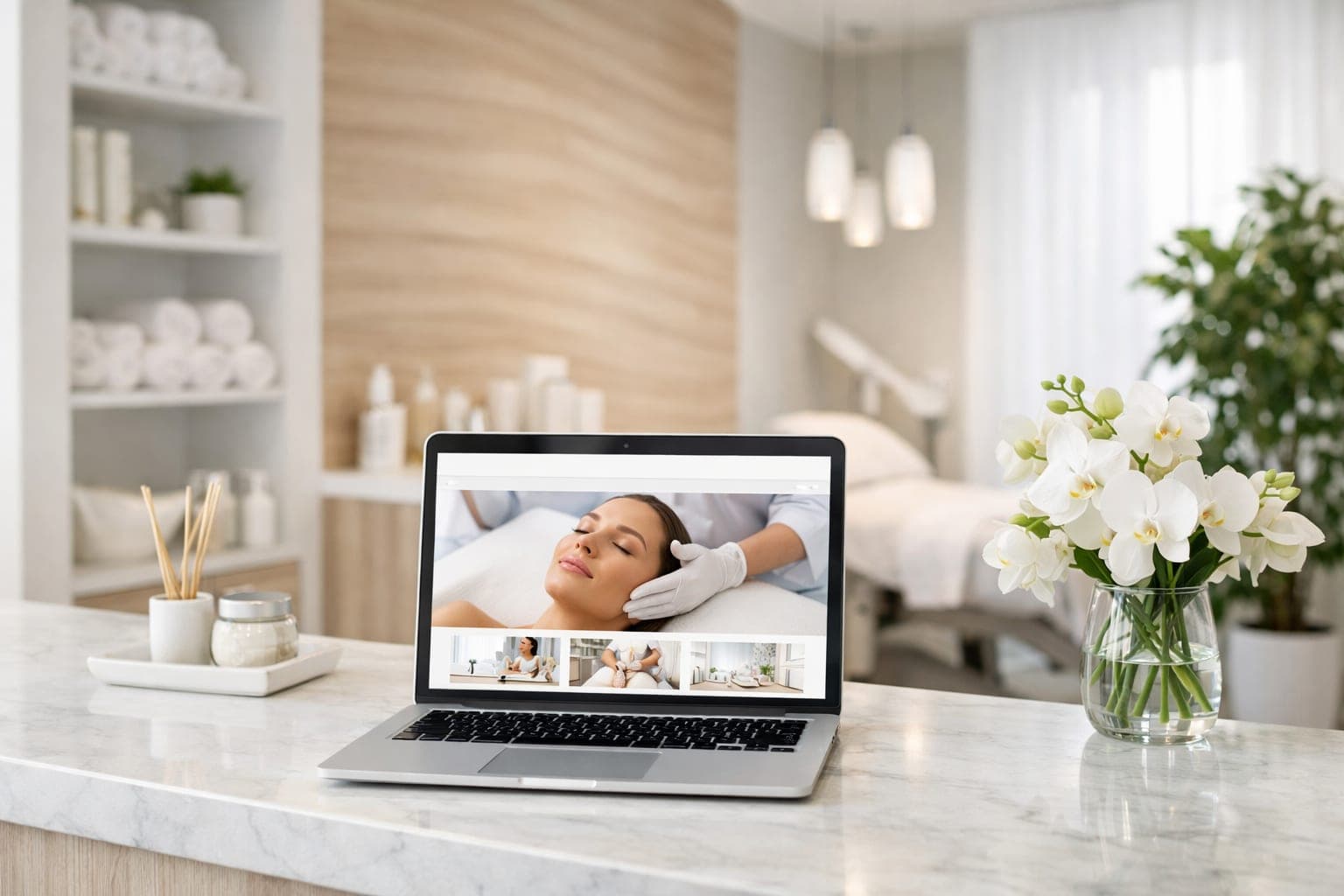
Part of our guide: Medspa Website Guide: Build a Site That Converts More Patients
The best medical spa websites share four conversion-focused traits: fast load times, clear value propositions, visible trust signals, and frictionless booking. A visitor should know who you serve, what you do, and how to book within five seconds. Treatment pages answer the questions patients type into Google and give a clear next step. Every page keeps a visible path to call or schedule and limits navigation depth so a first time visitor can find Botox, Hydrafacial, or laser hair removal in one click.
Key takeaways
- Homepage leads with value proposition, phone and booking above the fold
- Treatment pages match patient search language and include a clear next step
- Med spa booking is visible on every page with short forms and privacy notes
- Trust is built with provider credentials, real reviews, and transparent policies
- Local medical spa SEO relies on consistent NAP, Google Business Profile, and location pages
What makes a med spa homepage convert?
A converting med spa homepage states who you serve, what you do, and how to book in the first screen. The hero area shows a clear value proposition, a primary call to action, and a secondary booking link. Below that, a short menu of signature treatments shows a photo and a one line benefit so visitors can self select.
Social proof appears early with a brief review quote, a link to a before and after gallery, and provider credentials. A sticky header keeps the phone number and booking link accessible on mobile. Forms stay short and use HIPAA appropriate tools when health information is collected. Map this flow by listing your top 3 services, writing a one-line benefit for each, and placing a booking button beside each. For a deeper look at conversion patterns, see the Guide: Medspa Website Guide: Build a Site That Converts More Patients.
How do treatment pages rank and drive bookings?
Strong treatment pages rank because they answer real patient questions and guide to a consultation. The best medical spa websites use this structure consistently across services.
Ideal candidate and outcomes
Open with treatment name, ideal candidate, and a brief outcome statement. Use plain language instead of jargon.
- Ideal candidate: Women 30-55 with mild sun damage. Outcome: Brighter, more even tone after 3 sessions.
What to expect and safety
Cover how it works, what to expect during the visit, downtime, results timeline, and safety notes. Pricing is handled with ranges or a clear call for a consultation rather than being hidden completely, e.g., 'Botox: $12 to $15 per unit; exact quote after consultation.'
Before and after galleries, provider bios, and FAQs support trust. For SEO, titles and headings match how patients search, and content stays helpful and people first. Google's Helpful Content System rewards content that demonstrates first-hand expertise and satisfies the searcher's intent.
How to set up med spa booking that reduces drop off?
Med spa booking reduces drop off when call and schedule options are obvious and low effort. A prominent call button, click to call phone number, and online booking widget appear on every page.
Keep forms to essentials only:
- Name, phone, email
- Preferred date
- Treatment interest
Note privacy and set expectations about a follow up call. Example: "We'll call within 1 business day to confirm. Your health information is protected under HIPAA." Office hours, address with a map embed, and parking notes reduce no shows. Local proof such as a service area list and nearby landmarks helps patients feel you are nearby. This is core advice from the SEO starter guide to make pages easy to use and find. See Google Search Central: SEO starter guide.
Trust signals and reviews done right
Trust is built with credentials, transparency, and authentic reviews presented clearly. Provider licenses, years in practice, and medical oversight are shown with photos and bios. Policies for consent, privacy, and results are written in plain language.
Reviews are displayed with context, not just star ratings, and they follow endorsement guidelines about clear disclosure and not being misleading. Show reviewer's treatment (e.g., "Hydrafacial, March 2024") and a one-sentence outcome. The FTC guidance on endorsement guides stresses clear and conspicuous presentation of testimonials. Patient health information should only be collected with HIPAA appropriate tools, and marketing claims should be realistic and supported.
Local medical spa SEO foundations clinics can copy
Local medical spa SEO starts with consistent name, address, and phone across your site and Google Business Profile. A dedicated location page with a service area map, embed, and neighborhood landmarks helps relevance.
Use MedicalBusiness schema with properties: medicalSpecialty, priceRange, acceptsNewPatients, areaServed. LocalBusiness structured data helps search engines understand practice type, hours, and contact points. Keep your Google Business Profile complete with photos, services, and regular updates, and respond to reviews professionally. Reviews help local ranking when they are genuine and reflect real experiences. For ongoing visibility, many practices use Med Spa SEO Services for Medical Spas to maintain consistency and grow local traffic. Many practices work with specialized agencies to keep NAP and schema aligned across locations. Some practices partner with agencies like GenXTech Solutions for ongoing technical maintenance.
Speed, accessibility and mobile basics for a med spa website
Fast accessible mobile sites keep visitors and rank better. Core Web Vitals measure loading, interactivity, and visual stability, and they matter for mobile users who book on the go.
Images are compressed, lazy loaded, and served in modern formats. Text is readable with sufficient contrast, focus states are visible, and navigation works by keyboard. These practices align with WCAG principles and WCAG 2.1 Level AA, the standard referenced in ADA Title III settlements. Note: ADA Title III requires accessible websites for public accommodations; consult legal counsel for compliance. A clean mobile menu, tappable buttons, and short forms complete the experience. More on performance from web.dev: Core Web Vitals.
If you want a site built around these patterns, explore Med Spa Website Design | Custom Sites for Medical Spas.
Next step
If you want a med spa website that follows these proven patterns, contact us for a practice website or treatment page built for clarity, trust, and bookings. contact us
Frequently asked questions
what makes a med spa website good
A good med spa website is fast, mobile friendly, and easy to navigate with clear treatment explanations, visible booking options, provider credentials, and local proof. It guides visitors from interest to appointment in a few steps.
what are med spa website ideas for booking
Use a sticky call button, click to call phone, online booking widget on every page, short forms with only essential fields, and clear confirmation messaging. Add office hours, map, and parking notes to reduce drop off.
how many pages should a med spa website have
Most focused med spa sites need 8-12 pages: homepage, 5-7 treatment pages, provider bios, gallery, location/contact, FAQs. Quality and clarity matter more than page count.
how do treatment pages help med spa SEO
Treatment pages help medical spa SEO by matching patient search intent with helpful, people first content and clear headings. They support local relevance and give a strong path to book a consultation.
what trust signals matter most for med spas
Provider licenses and medical oversight, real patient reviews with context, clear consent and privacy policies, and before and after galleries build trust. All claims should be realistic and supported.